
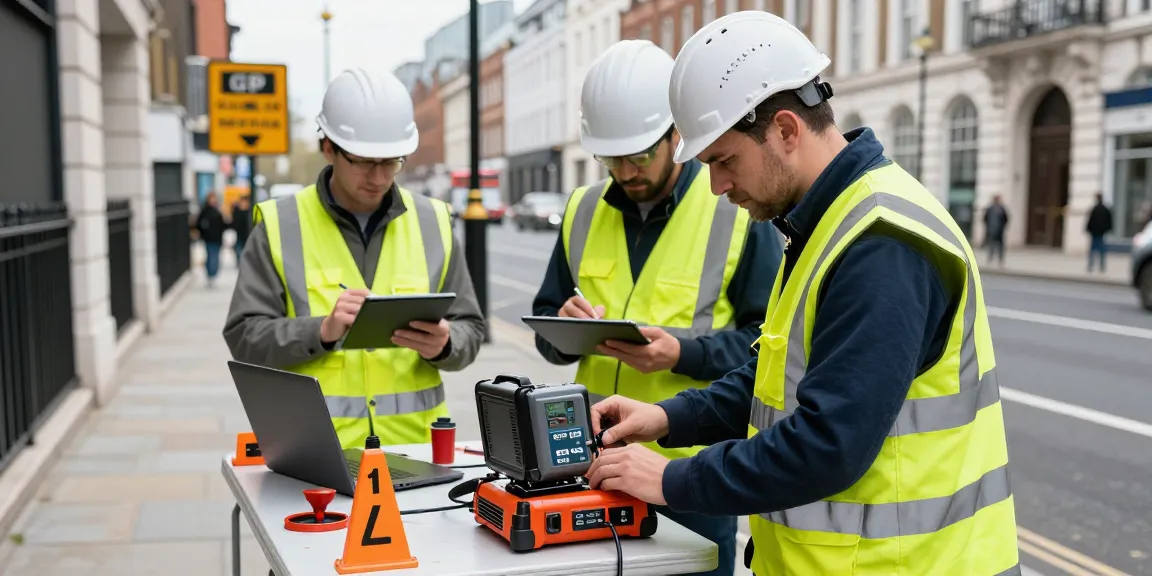
Understanding GPR Utility Surveys PAS128
Ground Penetrating Radar (GPR) utility surveys are essential in modern construction and infrastructure development, particularly in urban environments where underground obstacles may pose significant risks. By employing advanced technology, these surveys allow professionals to detect and map underground utilities with high precision. For those interested in comprehensive solutions, GPR Utility Surveys PAS128 Essex provide a reliable means to mitigate risks associated with excavation and construction.
What is a GPR Utility Survey?
A GPR utility survey is a non-invasive geophysical method that utilizes radar pulses to image and identify subsurface structures. Typically used to locate utilities such as water pipes, gas lines, and electrical cables, GPR surveys are integral to ensuring safety and efficiency during excavation projects. The methodology involves sending pulses of electromagnetic radiation into the ground, which reflect back upon encountering different materials, allowing surveyors to create detailed images of what lies beneath the surface.
The Importance of PAS128 Compliance
PAS128, or Publicly Available Specification 128, is a British Standard that outlines the processes for detecting and mapping underground utilities. Compliance with PAS128 ensures that utility surveys meet rigorous industry standards, which is crucial for reducing risks and ensuring safe excavation practices. By adhering to PAS128, companies not only enhance the accuracy of their surveys but also contribute to a safer working environment by minimizing the likelihood of utility strikes, thereby protecting personnel and infrastructure.
Common Applications for GPR Surveys in Essex
GPR surveys are widely used across various sectors in Essex, including construction, civil engineering, and environmental assessments. Some notable applications include:
- Site Development: Before any ground-breaking activities, developers utilize GPR surveys to identify and map existing utilities, thus preventing costly delays and accidents.
- Infrastructure Projects: Municipalities employ GPR technology to assess the condition of underground infrastructure, ensuring that upgrades and repairs are executed efficiently.
- Environmental Surveys: GPR can help identify contamination sites or voids beneath the ground, which is vital for environmental assessments and remediation efforts.
Key Considerations When Selecting a GPR Survey Provider
Assessing Experience and Expertise
When choosing a GPR survey provider, it’s crucial to evaluate their experience and expertise. Companies with a proven track record in utility surveys are more likely to deliver accurate and reliable results. Look for providers that have handled a range of projects similar to yours, as this experience is essential for effectively addressing unique site challenges.
Evaluating Technology and Equipment Used
The technology utilized during a GPR survey can significantly impact the results. Assess whether the surveyor uses modern, high-quality equipment, such as IDS Detector Duo and Leica DS2000 GPR systems, which provide superior data quality and resolution. The effectiveness of the survey relies heavily on the tools used, so it’s vital that surveyors utilise the latest advancements in GPR technology.
Understanding Pricing Models and Cost Factors
GPR survey costs can vary widely based on several factors, including the size of the area surveyed, the complexity of the site, and the types of utilities involved. It’s essential to obtain detailed quotes and understand what is included in the pricing. Transparent pricing helps you weigh the potential investment against the possible risks of not conducting a thorough survey.
Best Practices for Conducting GPR Utility Surveys
Preparation Steps Before the Survey
Before commencing a GPR utility survey, thorough preparation is essential. This includes conducting a desktop study to gather all available records, existing utility maps, and historical data to inform the survey process. Additionally, a site reconnaissance should be performed to visually inspect the area for any visible utility markers and establish a clear understanding of the site.
Conducting the Survey: Techniques and Methods
During the survey, a systematic approach should be employed, typically involving the collection of data along parallel lines or grids. The GPR system transmits radar pulses into the ground, capturing reflections to identify subsurface features. Understanding how to effectively interpret these signals is critical, so skilled operators are necessary to ensure high-quality results.
Post-Survey Data Processing and Analysis
Once the data has been collected, it must be processed and analysed to generate comprehensive reports. This involves translating the GPR data into usable information that illustrates the location, depth, and type of utilities present. A well-structured report will provide essential insights for planning and execution of construction projects.
Real-World Case Studies of GPR Utility Surveys
Successful Projects in London and Essex
Several projects in London and Essex have highlighted the value of GPR utility surveys. For instance, a recent development project in Westminster employed GPR to identify deep-set utilities beneath the site, allowing for safe and effective excavation without damaging existing services. This proactive approach not only saved time and costs but also upheld safety standards.
Lessons Learned from Previous Surveys
While GPR surveys are highly effective, some challenges can arise, such as interference from other subsurface elements. A project in Brighton revealed the importance of adjusting GPR settings to account for varying ground conditions, reinforcing the need for trained operators who can adapt techniques based on the live data being collected.
Innovations in GPR Technology and Surveying
The field of GPR surveying is continually evolving, with innovations in technology enhancing capabilities. Newer systems now feature improved data resolution and faster processing times, enabling surveyors to conduct comprehensive surveys in shorter time frames while still maintaining accuracy.
Future Trends in GPR Utility Surveys
Emerging Technologies in Underground Mapping
The integration of Artificial Intelligence (AI) and machine learning into GPR technology is expected to revolutionise the industry. By automating data interpretation, these technologies may enhance accuracy and speed, allowing for more efficient surveys and better decision-making.
Regulatory Changes Affecting PAS128 Compliance
As the demand for safety and accuracy increases, regulations surrounding PAS128 compliance may tighten in the coming years. It’s vital for surveyors to stay abreast of any changes to ensure they remain compliant and continue to provide high-quality services that adhere to evolving standards.
Predictions for the Utility Survey Industry in 2026
Looking ahead, the utility survey industry is likely to see increased adoption of non-invasive technologies. Greater awareness of environmental impacts and a focus on sustainability may drive demand for GPR surveys, particularly in urban areas where infrastructure is densely packed. As technology advances, we anticipate further enhancements in real-time data analysis and reporting functionalities, ultimately leading to a more streamlined approach to utility management.
What is the average cost of a GPR utility survey?
The cost of a GPR utility survey varies based on several factors, including site size and complexity, typically ranging from £800 to £2,500 for a full utility survey. It’s essential to obtain detailed quotes tailored to specific project requirements.
How accurate are GPR utility surveys?
GPR utility surveys are known for their high degree of accuracy, often achieving over 90% reliability in locating utilities when performed by experienced professionals. Factors such as soil composition and the depth of utilities may affect accuracy, but with proper methodology, surveys can provide valuable information.
What should I expect during a GPR survey?
During a GPR survey, you can expect surveyors to arrive on-site with specialized equipment and conduct a systematic scan of the area. The process is typically non-invasive and does not disrupt the surrounding environment. Surveyors will communicate the findings and provide a comprehensive report upon completion.
Are GPR surveys suitable for all types of ground conditions?
While GPR surveys are versatile, their effectiveness can be influenced by ground conditions. Factors such as the presence of heavy metal content, concrete reinforcements, or water-saturated areas can affect data quality. Therefore, prior assessments are crucial to determine the best approach.
How long does it take to receive the survey results?
The timeframe for receiving GPR survey results can vary, but typically clients can expect preliminary findings within a few days, with comprehensive reports delivered within one to two weeks, depending on the complexity of the survey.
