Understanding the Role of Drainage Surveyors in London
In the bustling urban landscape of London, effective drainage management is crucial to prevent waterlogging, flooding, and infrastructural damage. This importance places the spotlight on professionals known as drainage surveyors—experts who specialise in inspecting, diagnosing, and maintaining drainage systems. With an increasing demand for reliable drainage services, particularly in densely populated areas, understanding the role and impact of Drainage Surveyors London is essential for property owners, architects, and developers alike.
What Are Drainage Surveyors London?
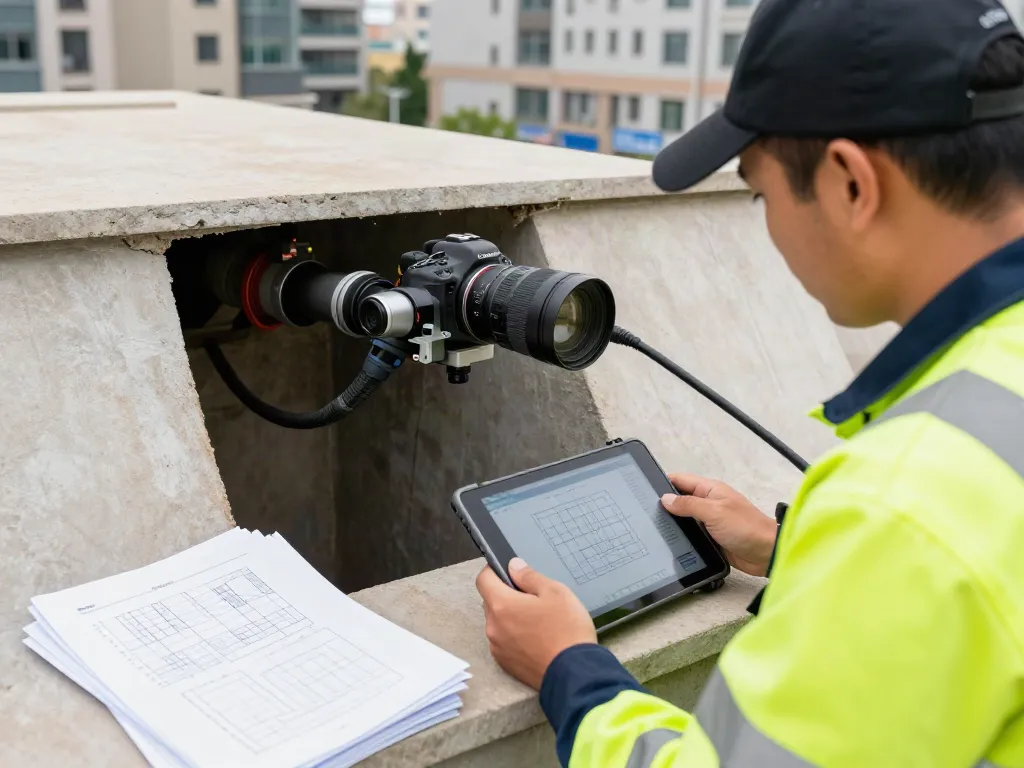
Drainage surveyors are skilled technicians responsible for evaluating the condition of underground drainage systems. Their work often involves using advanced technologies, including CCTV (Closed-Circuit Television) cameras, to inspect and diagnose potential problems within the drainage network. By identifying cracks, blockages, and structural issues early, they play a critical role in maintaining the overall health of urban infrastructure.
The Importance of CCTV Drainage Surveys
CCTV drain surveys are non-invasive inspection methods that allow drainage surveyors to visually assess the internal state of pipes. This technique is particularly beneficial in urban settings where traditional excavation would be disruptive and costly. With real-time video footage, experts can pinpoint issues accurately, providing invaluable data for future maintenance and repairs.
Key Skills and Qualifications of Expert Surveyors
To become proficient in drainage surveying, professionals typically require a mixture of formal education and hands-on experience. Qualifications may include civil engineering or environmental science degrees, along with specialised training in using drainage inspection equipment. Familiarity with relevant software, such as WinCan for reporting, is also essential to generate accurate assessments.
Essential Tools and Technologies Used by Drainage Surveyors
Advanced CCTV Equipment and Software
As drainage surveyors leverage technology to fulfil their roles, the use of advanced CCTV equipment stands out. High-resolution cameras are employed to navigate complex drainage networks, allowing surveyors to capture detailed images and videos of the system’s condition. Coupled with modern software solutions, these tools make it possible to compile comprehensive reports that inform necessary repairs or upgrades.
Utilising CAD and WinCan for Comprehensive Reports
Comprehensive drainage reports are critical for effective communication between surveyors and stakeholders. Professional drainage surveyors utilise CAD (Computer-Aided Design) software to create detailed drawings that visually represent the findings of their surveys. Additionally, software like WinCan is instrumental in compiling data into user-friendly reports that comply with industry standards.
Ground Penetrating Radar (GPR) Techniques
Ground Penetrating Radar (GPR) is another cutting-edge tool in the arsenal of a drainage surveyor. This method allows for the detection of non-visible underground utilities and structures, aiding in the mapping and locating of drainage systems without invasive digging. Combining GPR with CCTV inspections leads to a holistic assessment of drainage infrastructure.
Benefits of Professional Drainage Surveys for Homeowners
Identifying Potential Drainage Issues Early On
One of the most significant advantages of conducting a professional drainage survey is the early identification of potential problems. Homeowners can avoid costly repairs and disruptions by catching issues such as blockages or deterioration before they escalate into more severe complications.
Cost-Effective Solutions Through Proactive Assessment
Investing in routine drainage surveys can yield significant long-term savings. By proactively assessing the condition of a drainage system, homeowners and property managers can implement maintenance strategies that prevent further damage, ultimately preserving the lifespan of the infrastructure.
Enhancing Property Value with Professional Surveys
A well-maintained drainage system enhances property value and can be a selling point for potential buyers. Professional drainage surveys provide documented insights that assure prospective homeowners of the reliability of the drainage network, making the property more attractive on the market.
Drainage Survey Best Practices: What to Expect
Step-by-Step Guide to Drainage Inspection Process
The drainage inspection process typically begins with a preliminary evaluation, followed by a CCTV survey. After gathering data, surveyors analyse the footage and compile reports that detail their findings. Homeowners should expect clear communication throughout the process, with recommendations based on the survey results.
Common Challenges Any Surveyor Faces
Weather conditions, access issues, and outdated maps of drainage systems can pose significant challenges to drainage surveyors. However, experienced professionals develop strategies to navigate these obstacles, ensuring accurate results despite any potential difficulties.
Post-Survey Reporting: Understanding Your Results
Receiving the report after a drainage survey is a chance for homeowners to gain insights into their drainage systems. Reports typically include visual documentation, descriptions of identified issues, and actionable recommendations. Understanding this information is critical for making informed decisions regarding maintenance and repairs.
The Future of Drainage Surveying: Trends to Watch
Technological Advances in Detection and Mapping
The future of drainage surveying is promising, particularly due to ongoing technological advancements. Innovations such as artificial intelligence and machine learning are expected to revolutionise the industry, making drainage assessments faster and more efficient.
Environmental Considerations in Drainage Management
As urban areas face increasing environmental scrutiny, drainage surveyors are also shifting toward sustainable practices. Understanding how drainage systems interact with surrounding ecosystems is vital for developing solutions that benefit both infrastructure and the environment.
Preparing for the Challenges of 2026 and Beyond
The drainage sector must adapt to the challenges posed by urbanisation, climate change, and increased regulatory requirements. As demand rises for efficient, sustainable drainage management, professionals in the field will need to continuously evolve their practices and approaches.
How much does a drain survey typically cost in London?
The cost of a drain survey in London can vary significantly depending on the complexity of the project, with typical fees ranging from £150 to £500. Factors such as location, the size of the property, and specific survey requirements influence pricing.
Is a drain survey worth it?
Absolutely, especially for property owners looking to avoid unexpected expenses. A drain survey not only uncovers existing issues but can also prevent future problems, making it a worthy investment for maintaining property value.
Who are some reputable drainage contractors in London?
While there are numerous reputable contractors in London, it's essential to choose one with a proven track record in drainage surveying. Researching reviews and verifying qualifications can help select reliable professionals.
How long does a drain survey take?
The duration of a drain survey can range from a few hours to a full day, depending on the property's size and the complexity of the drainage system. A thorough assessment will ensure all potential issues are identified.
What additional services do drainage surveyors offer?
Beyond standard CCTV surveys, drainage surveyors often provide services such as drainage mapping, utility detection, and maintenance planning, ensuring a comprehensive approach to drainage management.